






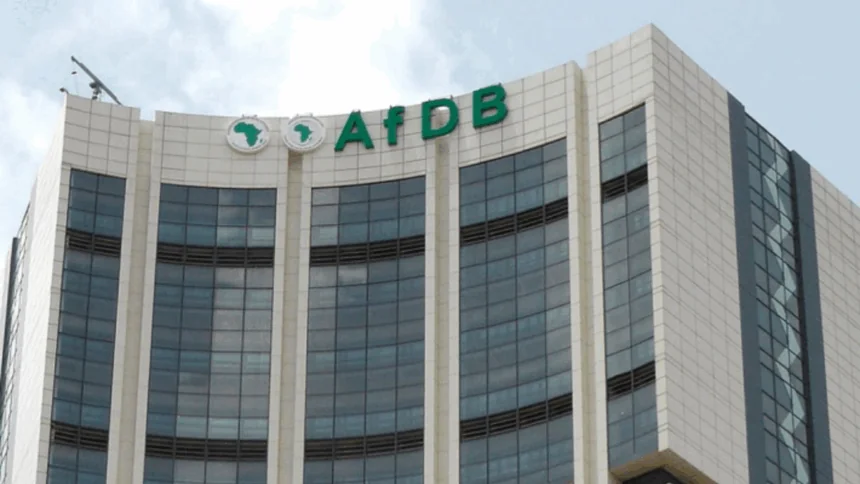
Nigeria’s large informal economy has deprived the nation of approximately $8.8 billion in annual revenue that could have been generated through taxation of informal businesses.
This is contained in the latest African Development Bank (AfDB) 2025 African Economic Outlook report, which states that while informal businesses contribute significantly to economic activity and employment, much of the wealth they generate remains outside the tax system.
This, the AfDB added has resulted in substantial revenue losses that could have been used to finance development.
The AfDB stated that informal enterprises, including street vendors, smallholder farmers, micro and small businesses, make up a significant share of economic activity across Africa but remain largely untaxed.
The report states that transitioning informal businesses into the formal economy could generate an estimated $125.3bn in additional revenue for development financing across the continent.
“By analysing data on informal output relative to formal output, tax revenue as a share of GDP, and nominal GDP across 46 African countries, the estimated forgone revenue amounts to approximately $125 billion for Africa. This estimate would be even higher if data from all African countries were available.
“The largest estimates of forgone revenue are concentrated in the continent’s biggest economies: South Africa ($20.4bn), Algeria ($16.3bn), Egypt ($15.6bn), and Nigeria ($8.8bn).
“Moreover, the impact could be dynamic: as informal enterprises transition into the formal economy, they would gain access to better conditions that support business growth, further expanding the tax base and increasing overall revenue potential,” the Report states.
According to the report, the informal sector is “limiting growth while formal sector growth boosts economic growth.”
It noted that bringing informal enterprises into the formal sector would allow them access to better business conditions and increase tax revenues, stressing that informal businesses pose a challenge to tax because of their irregular and largely undocumented nature.
The report acknowledged good examples from some African countries’ experience, such as Kenya’s iTax system and Tanzania’s presumptive tax model, which Nigeria could consider to improve its tax compliance and revenue collection, although it stated that Nigeria has been implementing tax reforms, including digitalisation of tax processes, but compliance remains low.
The AfDB report highlighted the need for Nigeria to formalise its informal economy to unlock revenue to support growth and development.
Also, the report notes that Nigeria’s public debt is projected at 47 percent of GDP in 2025, and added: “Debt interest and amortization payments are not necessarily tied to the size of GDP but are made from government revenue. So, despite debt-to-GDP ratio being low, a country can still face a high debt burden if substantial shares of revenues are channeled towards debt service payments.
“Nigeria presents a classic case in point. In 2025, the country’s public debt was projected at 47 percent of GDP. In contrast, three quarters of federal government revenues were projected to be spent on federal government interest payments”.
AfDB stated that total debt service payments across Africa are expected to hit $89 billion in 2025, with over half owed to private creditors, and explained that while interest payments as a share of government revenue might decline slightly in 2025 and 2026, this is “subject to uncertainty on the path of interest rates and exchange rate fluctuations.”







Leave a comment