





In recent years, flash flooding has become a recurring nightmare for many Lagos residents. As skies darken and the heavens release torrential rain, what begins as a routine downpour often escalates into waterlogged roads, submerged homes, and disrupted daily life. While these events may seem sudden and random, they are part of a larger pattern driven by climate change, rapid urbanization, and poor waste disposal practices. Understanding the nature of flash flooding and the multi-faceted response of the Lagos State Government is key to building resilience and reducing the damage caused by such events.
Flash flooding, unlike gradual flooding, occurs swiftly after intense rainfall. Lagos, with its low-lying coastal geography, is particularly vulnerable. The city sits on the edge of the Atlantic Ocean, crisscrossed by a dense network of canals, rivers, and lagoons. According to climate experts, Lagos loses approximately three meters of its coastline annually due to rising sea levels. In this fragile ecosystem, every rainfall event can potentially unleash devastating floods.
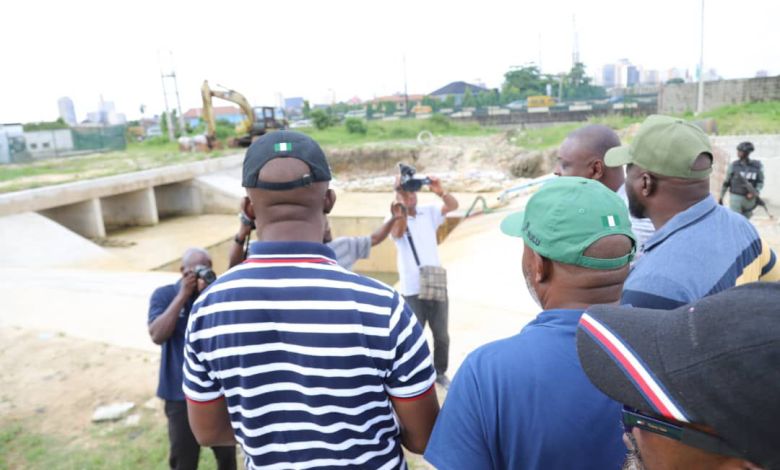
Recognizing this reality, the Lagos State Government, under the leadership of Governor Babajide Sanwo-Olu, has taken deliberate steps to manage and mitigate the risks of flash flooding. The Ministry of the Environment and Water Resources, led by Honourable Commissioner Tokunbo Wahab, has implemented a range of proactive policies and infrastructure interventions to reduce the city’s flood vulnerability.
“Climate change is not just a global threat; it is our daily reality in Lagos,” said Commissioner Wahab at a recent media briefing. “We are seeing more erratic rainfall patterns, higher tidal movements, and more pressure on our drainage systems. But we are not folding our arms. We are acting.”







Leave a comment