






THE Federal Government has unveiled plans to exempt about one-third of Nigeria’s workforce across both the public and private sectors from paying personal income tax, in what officials describe as a major shift toward a fairer and more inclusive tax system.
Under the proposed reforms, low-income earners earning N100,000 or less per month will no longer be required to pay personal income tax from January next year. The move is expected to boost workers’ take-home pay, strengthen household purchasing power and help ease the rising cost-of-living pressures faced by millions of Nigerians.
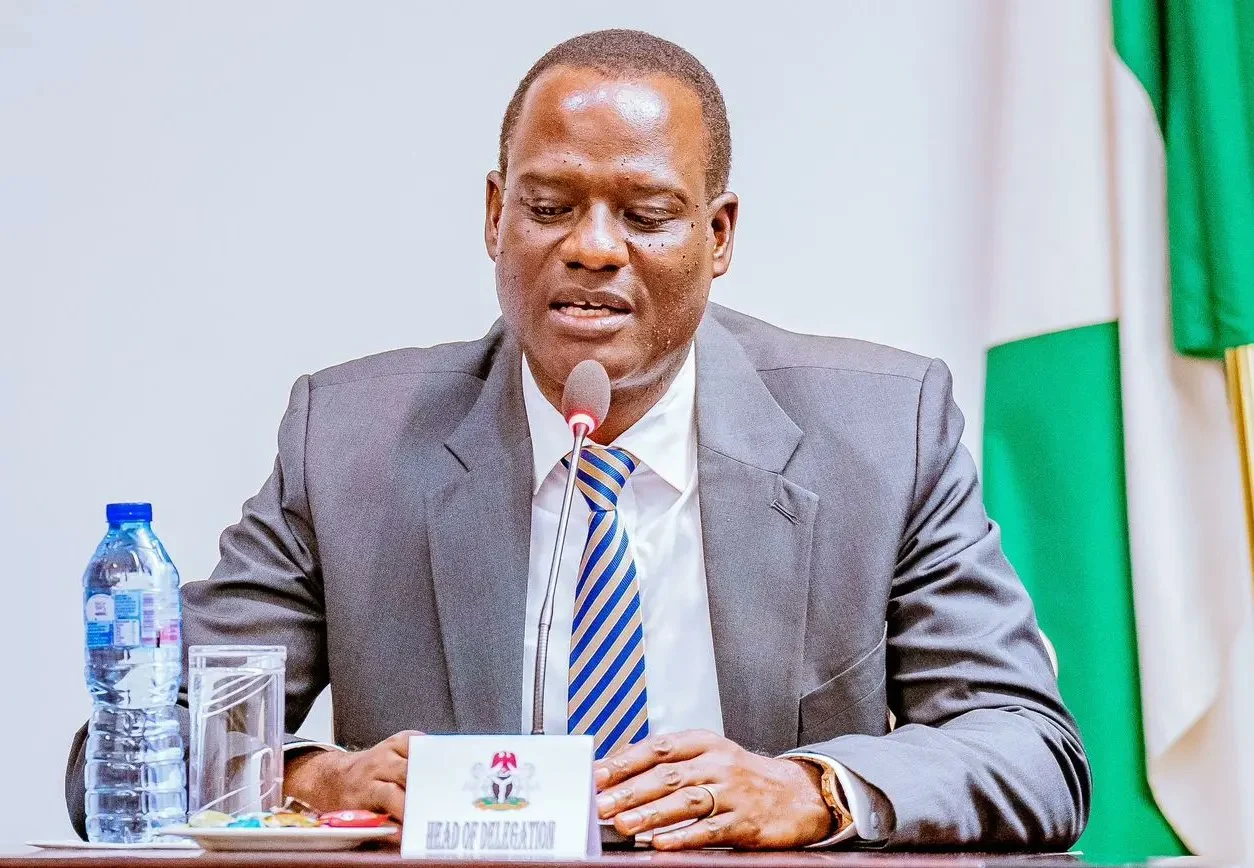
Chairman of the Presidential Committee on Fiscal Policy and Tax Reforms, Mr Taiwo Oyedele, said the exemption would affect roughly one in every three workers nationwide, marking a decisive break from what he described as a long-standing practice of “taxing poverty”.
“These are Nigerians who are barely surviving, yet we still tax them,” Oyedele said while speaking with journalists in Lagos at the weekend. “Instead of taxing people who cannot meet their basic needs, we should be supporting them.”
Oyedele explained that the policy forms part of a broader overhaul of Nigeria’s tax framework, much of which, he said, dates back to colonial-era legislation that no longer reflects modern economic realities. According to him, many of the countries that originally introduced such tax systems have since reformed or abandoned them because they became barriers to growth, productivity and investment.
Beyond the exemption for low-income earners, the reforms are also designed to reduce the tax burden on middle-income workers. Individuals earning between N100,000 and about N2 million per month will pay less tax under the new regime, effectively increasing their disposable income without any corresponding salary increase.
Oyedele dismissed the argument that Nigeria no longer has a middle class, noting that while the segment has shrunk over the years, it remains a critical pillar of economic stability that must be protected. “If you destroy the middle class, you weaken consumption, savings and long-term growth,” he said.
High-income earners, by contrast, will shoulder a slightly higher share of the tax burden. Oyedele said only about two per cent of Nigeria’s working population falls into this category. Under the reforms, a top personal income tax rate of 25 per cent will apply exclusively to individuals earning N120 million or more annually. He stressed that the increase is marginal and targeted, aimed at restoring balance and fairness rather than punishing success.
The reforms extend beyond personal income tax to address deep-seated structural issues in Nigeria’s business taxation system. Oyedele noted that Nigeria ranks among the top 10 countries globally with the highest tax burden on businesses, despite its urgent need for domestic and foreign investment to drive job creation and reduce poverty.
“We are not the United States or China, where capital is abundant,” he said. “Nigeria is searching for investment, yet we operate one of the most complex and punitive tax systems in the world.”
To improve the business environment, the government has reduced the corporate income tax rate from 30 per cent to 25 per cent. In addition, small businesses with annual turnover below N100 million will now enjoy a zero per cent corporate tax rate. According to Oyedele, these measures are intended to encourage informal enterprises to formalise, expand operations and gain access to credit.
He also highlighted the problem of multiple taxation and the proliferation of tax-collecting agencies, including non-state actors, which have made compliance costly, confusing and prone to abuse. The reforms, he said, will repeal several major existing tax laws and replace them with a streamlined framework aimed at eliminating duplication and improving transparency.
Oyedele warned that misinformation has clouded public discourse around the reforms, pointing to false claims about inheritance taxes and exaggerated fears over tax increases. “People are entitled to informed opinions, not ignorance,” he said, urging Nigerians to engage with verified facts rather than speculation.
According to him, tackling inequality lies at the heart of the reform agenda. He linked Nigeria’s rising social tensions to widening income disparities, arguing that taxing low-income earners in an unequal society only deepens frustration and resentment.
“These reforms are about fairness, inclusion and growth,” Oyedele said. “If we get the incentives right, businesses will grow, jobs will be created, and Nigeria will work better for everyone.”











Leave a comment